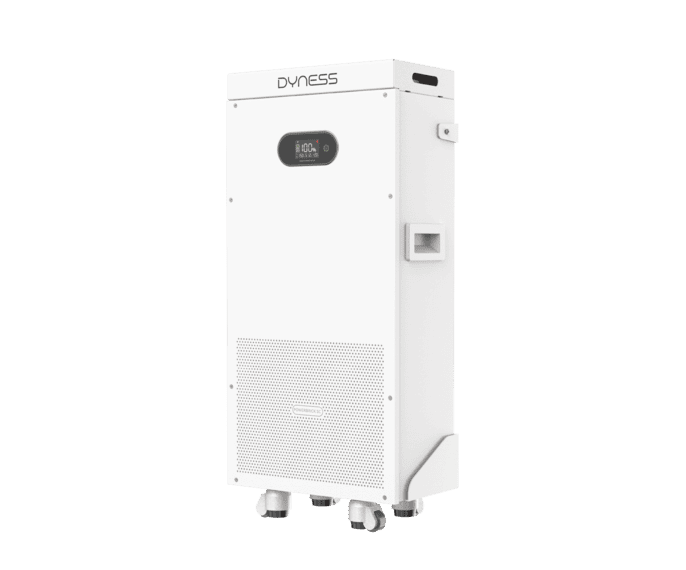
 PowerBrick SC
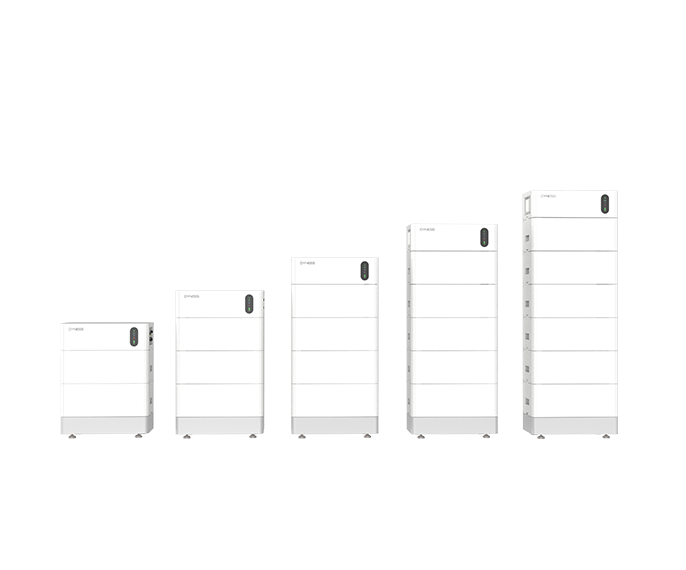 Tower Pro
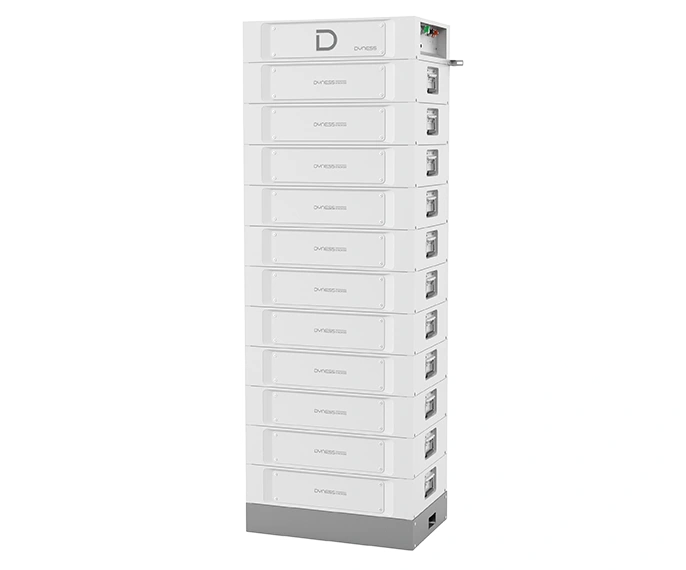 STACK100
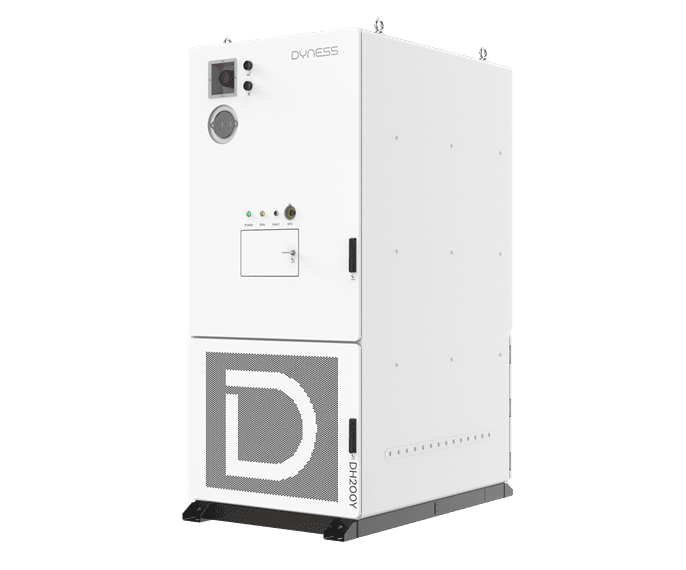 DH200Y-C260
Keep solar for later
Keep surplus daytime solar for dinner, family time and the hours after sunset. A compatible storage system helps you use more of your own generation.
Store the sunshine for the hours you spend together. Explore Dyness battery storage with Dynergy and plan a compatible system around your home in Thailand.
Plan your home battery ↗Keep surplus daytime solar for dinner, family time and the hours after sunset. A compatible storage system helps you use more of your own generation.
A correctly configured backup system can support selected essential circuits when the grid is unavailable.
Start with the appliances you use in the evening and the circuits you need for backup. Match storage capacity and inverter power to those priorities.
Your solar system supplies your home while the sun is shining.
A compatible battery system stores energy that is not immediately needed.
Stored energy can support evening consumption or backup loads, according to your system settings.
Savings and backup duration depend on generation, tariffs, battery capacity, inverter capability, loads and installation design.
Explore Dyness residential energy storage through Dynergy. Compare product specifications and discuss a compatible configuration for a new solar installation or an existing system.
Explore residential products ↗Tax relief and payments for exported electricity work differently. Check which route applies to your home before deciding on solar and storage.
Eligible costs deducted from taxable income
Qualifying individuals can deduct actual rooftop-solar equipment and installation costs, capped at ฿200,000. This reduces taxable income; the tax saving depends on your tax position.
Residential systems must be connected to MEA or PEA and total no more than 10 kW. The qualifying period is 3 March 2026–31 December 2028. The benefit is available once for one system, claimed in the tax year when grid connection is completed.
The taxpayer, electricity account holder and grid applicant must match. Keep a qualifying e-Tax Invoice with your taxpayer ID, application and connection approval, and notify the utility that you intend to claim.
Approved exports · 10-year contract
The 2026 residential programme pays for approved surplus solar electricity exported to the grid, with offered export capacity up to 5 kW per meter. Application, technical review and a power purchase contract are required; acceptance depends on programme capacity.
Using solar at home and selling surplus are separate benefits. Export payments are based on electricity actually sold.
PEA programme overview ↗Storage eligibility is a separate question
PEA’s programme allows solar with battery storage when it meets the contracting utility’s engineering standards. Ask your installer to confirm the proposed configuration.
Do not assume a battery-only purchase qualifies for the rooftop-solar tax benefit. Confirm eligible costs with the Revenue Department before including tax relief in your budget.
PEA solar and storage guidance ↗Bring your electricity bill and proposed system to your installer. Confirm the utility route, eligible invoice and connection requirements alongside your quotation.
Reviewed 7 October 2026. Eligibility, programme capacity and utility requirements may change. Official rules determine each application.
Find installation support close to home. Tell Dynergy your province, district and energy needs so we can discuss installers serving your area and the experience your project requires. Whether you are adding a battery or planning a new solar and storage system, start with a local project enquiry.
Find an installer near you ↗Your province and district, electricity use, existing inverter and the type of installation you need.
Ask about installers serving your area, their experience with your proposed system and the next step for a site assessment.
Confirm equipment compatibility, installation scope, quotation and after-sales arrangements with your selected installer.

Discuss your evening energy use and essential circuits when choosing a home battery configuration.

Start with the way your household lives, then match storage capacity and system power to your priorities.
Share your province, district and project requirements with Dynergy. We can discuss installation options in your area. Availability and suitability depend on service coverage, the proposed system and the installer’s experience.
Find an installer near you ↗It depends on the inverter, battery compatibility and system design. Share your inverter model and installation details so the configuration can be assessed.
Backup requires a suitable inverter and correctly designed electrical system. Available power and runtime depend on the selected loads and battery capacity. Essential-circuit backup may be more appropriate for some homes.
Capacity should reflect your daily consumption, surplus solar generation and desired backup duration. Appliance power requirements also matter when selecting the inverter and battery combination.